In Association with SHAMBALA MEDIA!
I recently had an interesting conversation with a friend about happiness, and it got me thinking about cognitive biases and how they affect our perceptions. We were discussing how people’s responses to questions about their happiness are often influenced by what’s currently happening in their lives. This led us to the topic of Cognitive Biases, specifically the Serial Position Effect, which is our focus today.
What is the Serial Position Effect?
The Serial Position Effect is a cognitive bias that affects the recall and perception of items in a list. It was first identified by Hermann Ebbinghaus in the 19th century. This effect has two main components:
1. Primacy Effect: Items presented at the beginning of a list are more likely to be remembered.
2. Recency Effect: Items presented at the end of a list are also more likely to be remembered.
Pretty simple, right? Let’s look at real-life applications!
Real-World Application:
Let’s dive into a real-world case study to see how this bias plays out in marketing. There was an interesting study involving Vodka brands. Participants were given descriptions of vodka where the word order varied:
1. Positive Framing: “This vodka is stylish, fancy, and weak.”
2. Negative Framing: “This vodka is weak, stylish, and fancy.”
Both descriptions contained the same words but in different orders. The Serial Position Effect suggests that people are more likely to remember the first and last words in each list. In the first description, “stylish” and “fancy” are emphasized, leading to a more positive perception despite the inclusion of “weak” at the end. In the second description, “weak” is the first word, leading to a negative perception even though the rest of the description is positive .
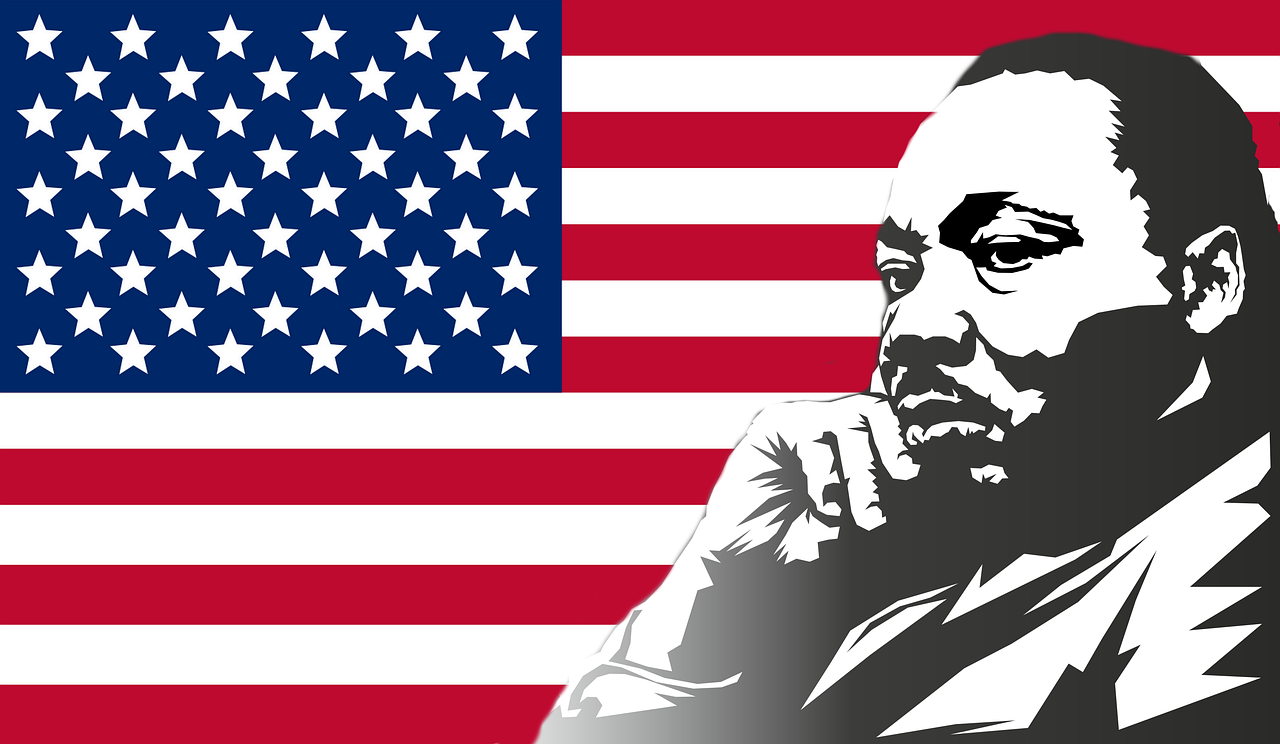
Martin Luther King Jr.’s “I Have a Dream” Speech
Another powerful example of the Serial Position Effect in action is Martin Luther King Jr.’s famous “I Have a Dream” speech. This speech is one of the most iconic in American history and is a masterclass in the use of repetition and positioning to make a memorable impact.
Primacy and Recency in the Speech:
• Primacy: King starts his speech with the historical context and the importance of the moment, immediately capturing the audience’s attention. He begins by referencing the freeing of slaves, establishing the significance of the day and setting a serious tone.
• Recency: The speech ends on a powerful note with the repeated phrase “Let freedom ring,” and “Free at last! Free at last! Thank God Almighty, we are free at last!” These concluding lines leave a lasting impression on the audience, ensuring that the core message of freedom and equality is what people remember most.
Repetition for Emphasis:
King uses the famous phrase “I have a dream” multiple times throughout the speech, reinforcing his vision and making it more memorable. Each repetition builds on the previous one, creating a crescendo of hope and determination that resonates deeply with listeners.
By strategically placing key messages at the beginning and end of his speech, and using repetition to reinforce his points, King ensured that his core messages would be remembered long after the speech ended.
How Companies Use the Serial Position Effect
Example 1: Product Descriptions
Many companies, especially in the food and beverage industry, carefully craft product descriptions to take advantage of the Serial Position Effect. For instance, a chocolate company might describe their product as “rich, creamy, and indulgent” rather than “indulgent, creamy, and rich.” The former sequence highlights “rich” and “indulgent” more effectively, leading to a more favorable perception.
Example 2: Political Campaigns
Political campaigns often use this effect by placing positive attributes at the beginning and end of their messages. A politician might be described as “experienced, trustworthy, and a strong leader,” making sure that “experienced” and “a strong leader” are the takeaways.
Applying the Serial Position Effect in Your Marketing
So, how can we use this cognitive bias in our marketing strategies? Here are a few practical tips:
1. Crafting Product Descriptions: Always place the most positive attributes at the beginning and end of your descriptions. This ensures that these attributes are more likely to be remembered by your audience.
2. Writing Headlines: In headlines and subheadings, place key information at the start and end. For example, “Boost Your Sales with Our Innovative and Effective Solutions” emphasizes “Boost Your Sales” and “Effective Solutions.”
3. Email Marketing: In emails, make sure the most important points are at the beginning and the end of the message. This can increase the likelihood of your audience retaining and acting on this information.
Understanding and leveraging cognitive biases like the Serial Position Effect can significantly enhance your marketing efforts. By carefully structuring your messages to highlight the most important attributes at the beginning and end, you can influence your audience’s perception and improve recall. Big companies have been using these strategies for years, and now you can apply them to your own marketing campaigns to achieve better results.
If you are eager to learn more, follow us at [@shambalamedia] or write to us if you are interested in partnering with us! Take care!